

Round-the-clock monitoring.
Is anyone watching the power coming into this building? Yes, around the clock, so no power quality threat goes unnoticed.
Energy Technology · Power Guard
Power Guard is permanent power quality monitoring for Indiana manufacturers. It watches all three legs of your incoming power around the clock, warns you before conditions reach damage thresholds, and keeps the timestamped record you need when the utility has to answer for it.
24/7 monitoring, cellular and battery-backed
All three legs, plus frequency, harmonics, power factor, and transformer loading
Tied to what your utility is required to deliver
$1 million lost in a single surge. Only $55,000 was covered.
01 / problem
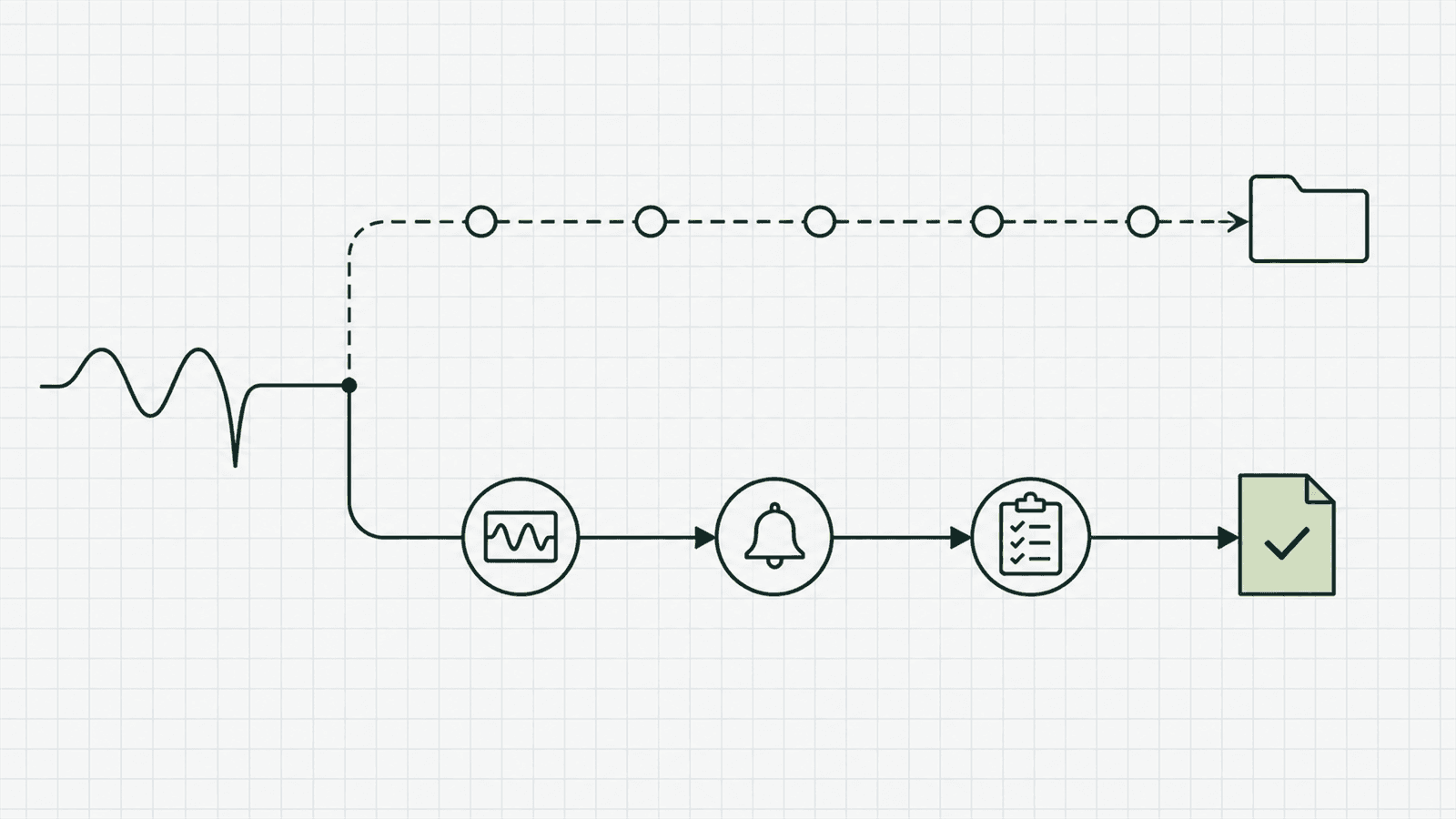
A brownout lasts seconds. That's all it takes to spoil a production run, stop every line, and leave your team cleaning equipment before they can start again.
Then comes the investigation. The utility hooks up a power analyzer for 30 days. Nothing happens during those 30 days, so they record a no-fault finding and close the book. You're left with the loss and no explanation.
The quieter cost is worse. Lose a phase and a motor's windings run hot, and you might take a year or two off its service life. When that motor has to be replaced early, no one ever ties it back to a power issue.
02 / fit
Power Guard is essential for Indiana manufacturers who:
03 / watches
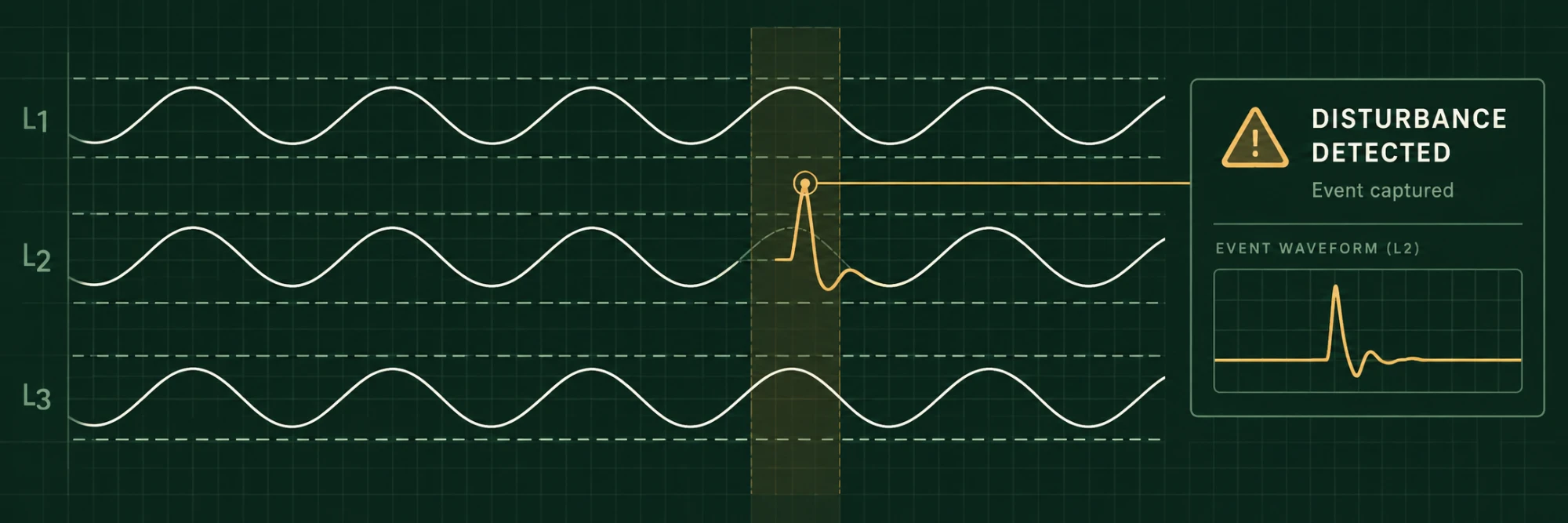
Surges · sags · phase loss · harmonics · frequency deviations · power factor · voltage on each leg · transformer loading and health
Each one is set against the thresholds your utility is permitted to serve you. On a 480-volt service, for example, that's plus or minus 10%. If conditions go past that line, you know, and so does the utility.
04 / warning to resolution
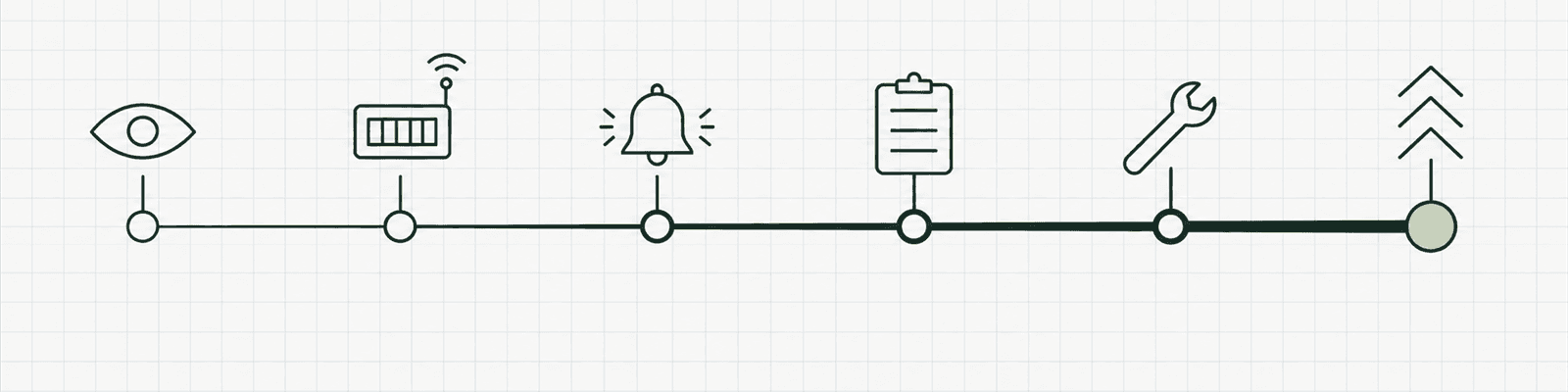
Is anyone watching the power coming into this building? Yes, around the clock, so no power quality threat goes unnoticed.
Does it keep working when the power doesn't? Power Guard is battery-backed and on cellular, so it captures the outage and the quality of the power when service comes back. That's when surges are most likely.
Do I find out before the damage, or after? When conditions start deteriorating toward a damage threshold, Power Guard alerts you and the utility so you can act first.
Can I prove what happened, and when? Every event is on record, and the data is yours, not the utility's report of its data. It can serve as the basis for a claim with the utility or your insurer.
What do we actually do when it happens? Every parameter has preventative and corrective steps, so you know what to do and what to expect.
When does this stop being ours to carry? When the utility's response isn't adequate, escalation aligned with IURC standards moves responsibility back to the utility.
05 / permanent
Your utility's rate book entitles you to certain response times and treatment. Once you've documented what an event costs you, the response should match what's on the line for you. Without the record, the utility can say it doesn't know what happened.
| Utility investigation after an event | Power Guard | |
|---|---|---|
| When it's running | For a set window after the event | All the time, including during outages |
| Whose data | The utility's report of its records | Your own first-party records |
| What happens next | A finding, and the file closes | You're notified, the utility is notified, and there's a record for the next conversation |
06 / installation
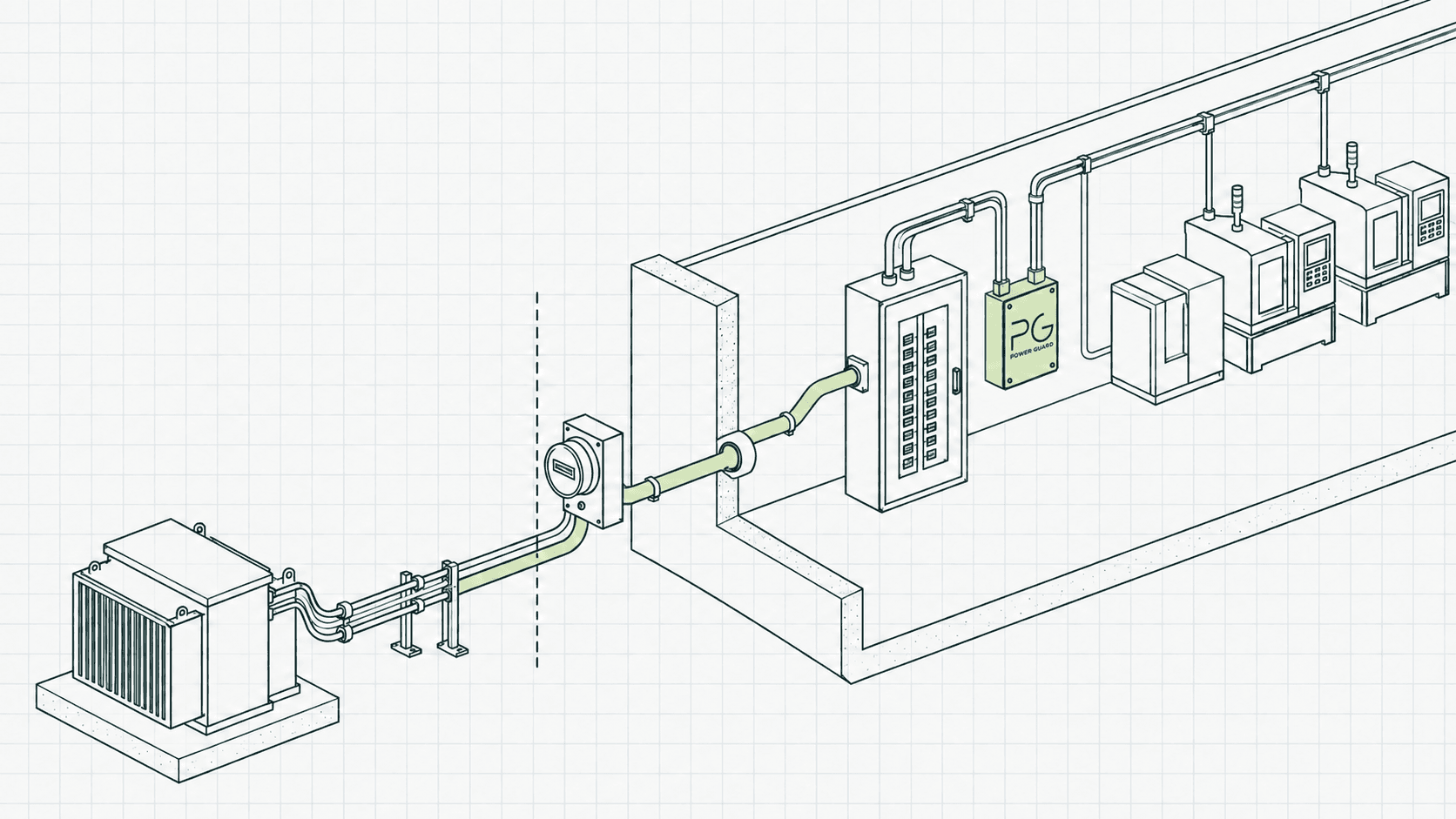
The utility is responsible up to the meter. You own everything after it. The stretch between the meter and your equipment is where surges hit, damage happens, and downtime costs pile up, and nobody's watching it. Power Guard installs between your transformer and your main distribution panel and watches that stretch, with a dashboard for each transformer.
07 / proof
Power Guard is new, and there's nothing else like it on the market. Systems are live in Indiana plants today, watching and recording, and performing as designed. Serious incidents are rare, and that's exactly why they cost so much when they come: nobody is watching for them.
One voltage surge shut down operations and caused nearly $1 million in losses. Only $55,000 was covered.
An Elkhart packaging company had two unexpected outages in a short span, and the cost was tremendous. The utility committed to putting metering in place. It never materialized, and the company never got access to the data about what happened.
08 / getting power guard
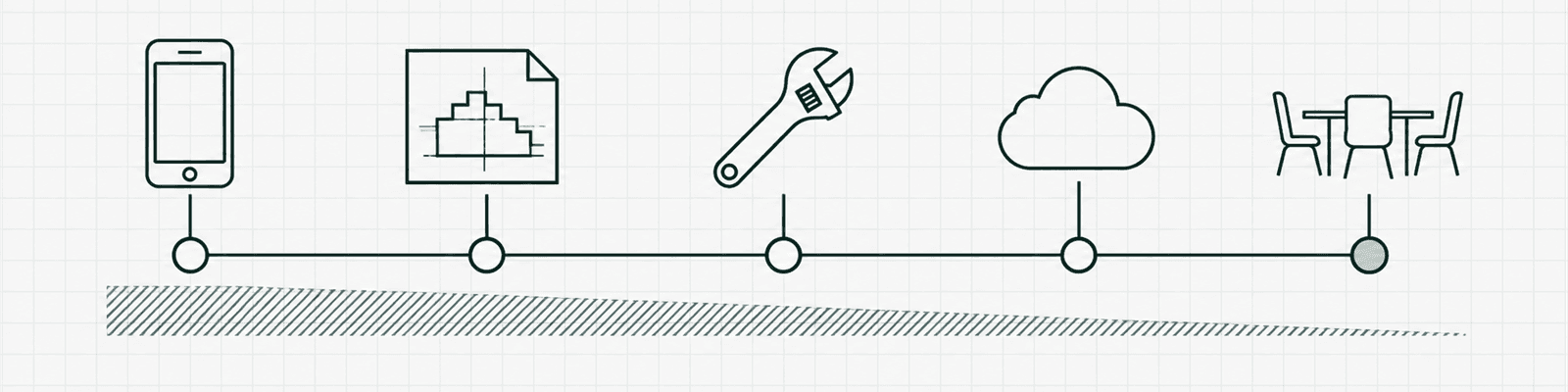
Your maintenance lead opens a link on their phone and gets walked to the transformer and main panel for a few numbers and photos. It takes about 10 to 15 minutes.
You get the system design, the costs, and the business case modeled for your facility, ready to take to your CFO.
A TEG-certified technician takes care of the install.
We connect you to the cloud, build your dashboards, match your data to your utility bill, and establish your baseline.
Your team and ours sit down with your numbers and load profiles, walk the facility, and build the strategy. That takes 90 minutes to a few hours, whatever you want to give us.
09 / faq
It can be. On a VEM installation, the Power Guard dashboards run on the same hardware. It can also be installed on its own.
Power Guard is permanent line-level monitoring, not for a week and not for a month. It's set against what your utility is required to deliver, and it notifies you and the utility when conditions cross the line.
Yes. It's battery-backed and connects over cellular.
Voltage on each leg, surges, sags, phase loss, harmonics, frequency, power factor, and transformer loading.
The data is timestamped, first-party, and measured against the thresholds in your utility's own rate book. That makes it the basis for a real conversation, and for a claim if it comes to that.
Explore the Manufacturers Energy Grant Program, or book an Energy Decision Blueprint session to discuss your toughest energy questions.
When you want a second set of eyes on the bills you already pay
Manufacturers from qualifying Indiana counties receive free, ongoing energy auditing and cost control that reduces their energy bills and keeps them low, month after month. No obligation and no vendor picks.
Claim your GrantWhen a project, proposal or decision is already on your desk
The Energy Decision Blueprint gets you a free in-depth strategic assessment of your project, problem, or question by the TEG team. Move forward and design your solution with absolute confidence.
Get the Blueprint11 / closing
Don't wait for the next event to find out what your utility is sending you.
Get the Blueprint